Patios
A patio is decided by where the water goes.
Set the slab below the door threshold, build in a fall away from the house, and a Carolina thunderstorm runs off the patio instead of standing on it. Everything else — the shape, the color, the stamp — comes after that decision.
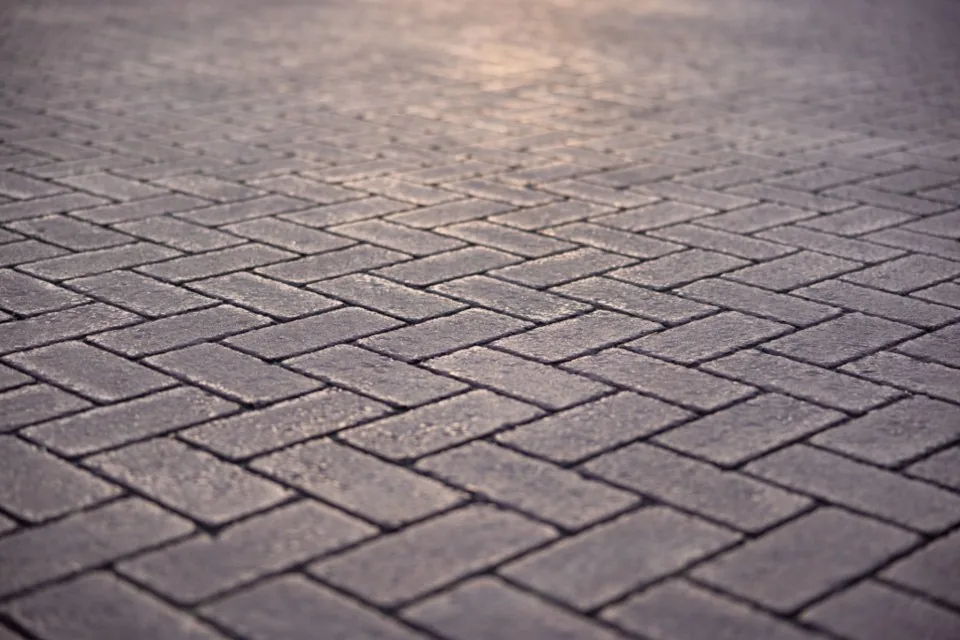
Illustrative photo — not this company's work.
How a patio gets built
Five stages, and you know which one you are in
A patio is a smaller pour than a drive, so the crew is usually on and off inside a week — plus the cure, which no one can shorten.
-
01
Day 1
Layout & grade
The outline is marked on the ground so you can walk it before anything is dug, then the pad is cut low enough that the finished slab sits under the door threshold.
-
02
Day 1–2
Forms & isolation
Forms carry the fall of 1/8 in per foot away from the house. An isolation joint goes in against the foundation so the patio can move without pushing on it.
-
03
Pour day
Placement
The slab is screeded to the forms and bull-floated while it is still plastic. On a stamped job the color goes in at the truck or on the surface, by agreement beforehand.
-
04
Same day
Finish & joints
Broom, trowel or stamp once the bleed water is gone, edges tooled, and control joints cut on the panel layout drawn before the pour.
-
05
Day 2–28
Cure & seal
Walk it after 24 hours, put the furniture back after a week. A stamped or colored slab gets sealed once it is dry all the way through, not before.
Patio spec
What we build a patio to
Typical residential values. Yours are fixed in writing after the site visit — grade, drainage and the finish you pick decide the rest.
- 4,000 psi
- Mix strength on a residential patio slab
- 4 in
- Standard slab thickness over a compacted base
- 1/8 in / ft
- Minimum fall away from the house
- 1 in
- Typical drop from the door threshold to the slab
- 10 ft
- Maximum control-joint spacing on a 4 in slab
- 28 days
- Before a colored slab is sealed for the first time
Surfaces to choose from
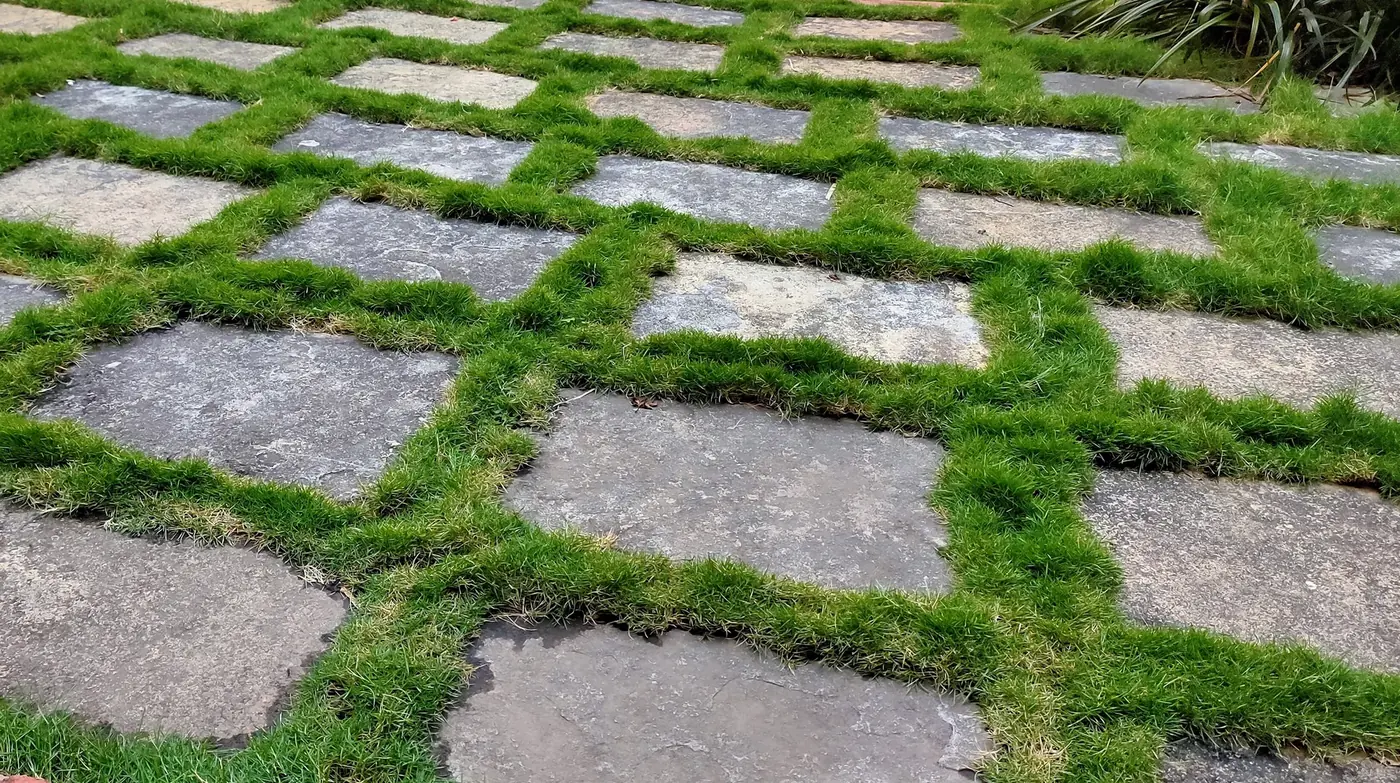
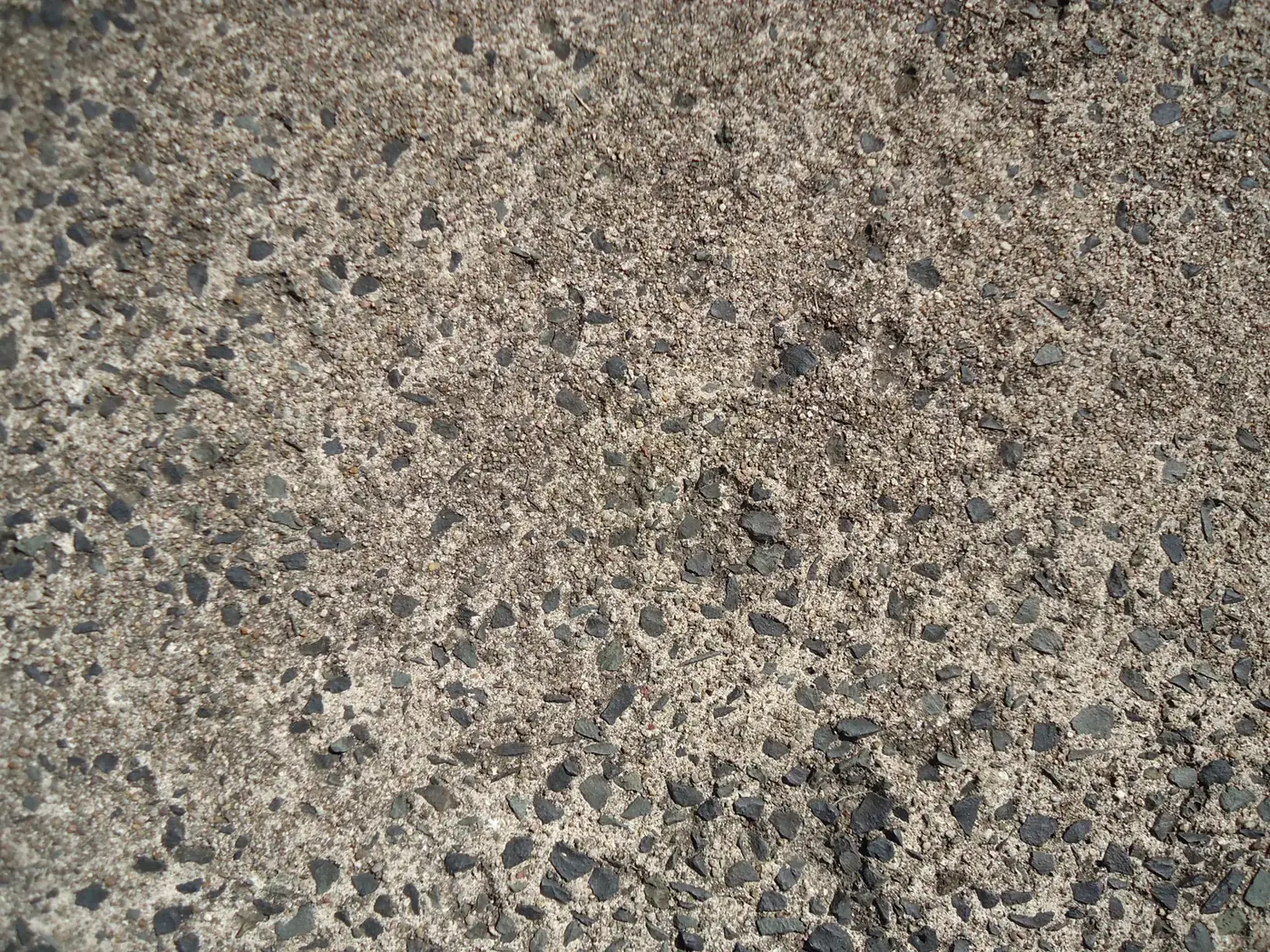
Broom, aggregate or paver
Illustrative photos — not this company's work. On the live build these are your own patios.
Patio questions
Worth settling before the pour
Poured slab or pavers?
A poured slab is one surface with joints you can plan; pavers are many small units that can be lifted and reset if the base ever settles. Slab wins on cost per square foot and on a clean line against the house. Pavers win where roots, utilities or a future change of mind are in play.
Will a stamped patio get slippery?
A sealed stamp can be slick when wet, which matters more next to a pool than next to a grill. The fix is a grit additive in the sealer, chosen before it goes on rather than argued about after the first rain.
Can you tie steps into the same pour?
Where the grade allows it, yes — steps and landings poured with the patio read as one piece and have no seam to open up later. Where the drop is large the steps get their own footing, and we say so in the scope rather than at the end.
Next step
Walk the back yard with us.
Half an hour on site gets you the outline, the fall, the finish options and a written price — and an honest word about where the water is going today.