Concept draft — an unsolicited website concept for A&H Concrete LLC. This is not their live site and we are not affiliated with them. Reply and it comes down.

Services

Everything we pour, and what goes under it

Five kinds of flatwork. The finish is what you see; the base, the reinforcement and the joint layout are what decide whether it is still flat in ten years.

Call (919) 223-7650

Not sure which one your job is? Describe it on the phone — that usually settles it.

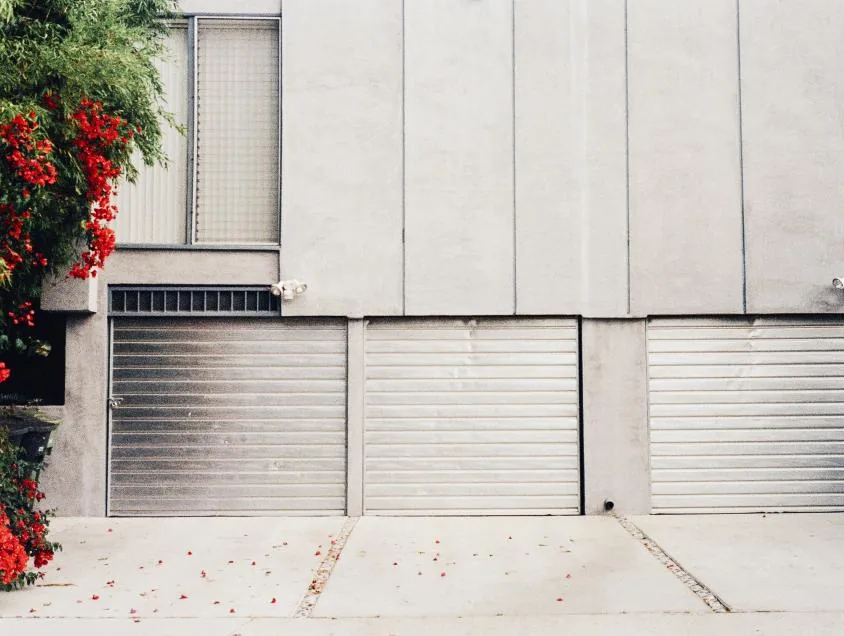
Poured-concrete driveway slab with saw-cut joints in front of three garage bays

01 — Driveways

Driveways built for the weight that parks on them

Tear-out, base correction and a 4 in slab as standard — 5 to 6 in where a work truck, trailer or an RV sits. Aprons tied to the street cut, joints laid out before the pour.

  • · Tear-out & haul-off
  • · Compacted road-base
  • · Fiber or rebar reinforcement
  • · Broom or exposed finish
Driveway details
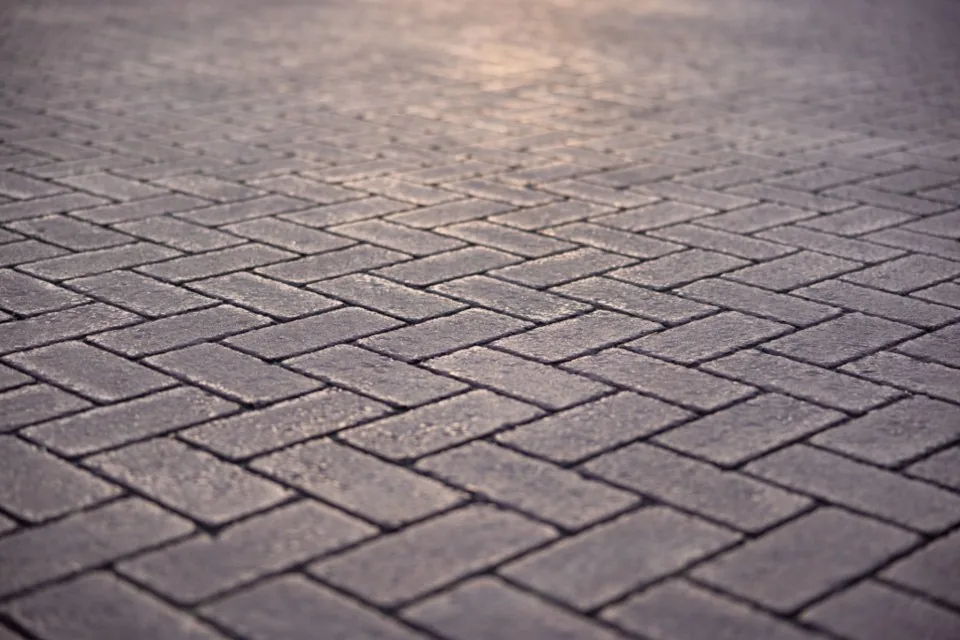
Close-up of gray herringbone concrete pavers in warm evening light

02 — Patios

Patios shaped to the door they open from

Slabs set below the threshold with a positive fall away from the house, so water leaves instead of pooling at the sill. Square, radius or free-form edges, with steps and landings tied into the same pour where the grade allows it.

  • · Drainage fall of 1/8 in per foot
  • · Isolation joint at the foundation
  • · Broom, trowel or stamped finish
Patio details

03 — Walkways

Walkways & sidewalks

Front walks, side paths and public sidewalk sections poured to the width and cross-slope the local code asks for, with a slip-resistant broom finish across the traffic direction.

  • · 4 ft standard width
  • · Joints every 4 to 5 ft
  • · Trip-hazard grinding on old walks

04 — Decorative

Stamped & decorative

Integral color, release powder and mats pressed while the slab is still plastic — ashlar slate, seamless stone or plank patterns. You approve a sample board before the truck is ordered, not after.

  • · Integral or broadcast color
  • · Sample board before the pour
  • · Sealer renewed every few seasons

05 — Repair

Repair & resurfacing

Not every slab needs replacing. Settled sections get lifted, spalled surfaces get an overlay, and open joints get cut and sealed before the next wet winter finds them.

  • · Slab lifting & leveling
  • · Overlay & resurfacing
  • · Joint cutting & sealing

Working with us

No surprises between the handshake and the pour

You get one number to call, one scope in writing, and one crew on site. If something changes, you hear it from us before it costs anything.

  1. 01

    Site visit and measure

    We walk the area with you, check where water runs today, probe the existing base and measure the pad. Fifteen to thirty minutes, no charge.

  2. 02

    A scope you can read

    Square footage, slab thickness, mix strength, reinforcement, joint layout, finish and haul-off — itemised, with the price next to each line.

  3. 03

    Build week

    Excavation, forms and pour usually land inside the same week. You get the pour date as soon as the forecast allows it, and a text the evening before.

  4. 04

    Walk-through and cure sheet

    We walk the finished slab with you and leave a one-page cure sheet: when to walk it, when to drive it, when to seal it, and what to keep off it in the first month.

Reference spec

The same numbers on every quote we write

Typical residential values. Yours are fixed in writing after the site visit — soil, drainage and load decide the rest.

4,000 psi
Standard mix strength
4–6 in
Slab thickness by load
10 ft
Control-joint spacing
28 days
To full design strength

Straight answers

Asked on nearly every estimate

Will it crack?

Concrete shrinks while it cures, and shrinkage has to go somewhere. Control joints — the sawn rills in the surface — decide where. A tight line inside a joint is the system working; a crack running diagonally across a panel usually means the base moved or the joints were cut too late.

Does sandy Wayne County soil change anything?

It changes the base work, not the slab. Coastal-plain sand drains well but moves under load if it is placed loose, so it gets compacted in lifts and topped with road-base rather than poured straight onto. Where the pad sits low and holds water after a storm, the fix is grading and drainage before anyone talks about concrete.

Replace it, or repair it?

If the slab is structurally sound and only sits low or looks tired, lifting and resurfacing costs a fraction of a tear-out. If it is spalling through the surface or rocking underfoot, patching it is money spent twice. We tell you which one you have before we quote either.

What actually drives the price?

Square footage sets the floor. After that: how much old slab has to come out, whether the base needs correcting, how far the truck can reach, slab thickness, reinforcement and the finish. Two quotes for the same driveway can differ by a third because one of them skips the base work you cannot see afterwards.

Next step

Send the dimensions. Get a real number.

Half an hour on site is usually enough to price the whole job — including the parts of it nobody sees once the slab is down.

Built for your business by Nox — How it works · Email AntonClaim this draft